
What happens when you bring together scholars who rarely meet, but who all study innovation from completely different angles?
At the Lorentz Center in Leiden, that question became the starting point of the Time Innovation Progress (TIP) workshop. Researchers from development studies, sociology, engineering and economics joined forces with scholars from archaeology and classical studies. Different languages, different timeframes, different assumptions. And exactly that made it work.
The Time Innovation Progress (TIP) 5-day workshop at the Lorentz Center has recently concluded. Two of its organisers, Saradindu Bhaduri and Peter Knorringa, reflect on the origins of the workshop and the directions it may take next. Read along as they respond to a series of questions on its background and future.
Where did the idea for this workshop originate?
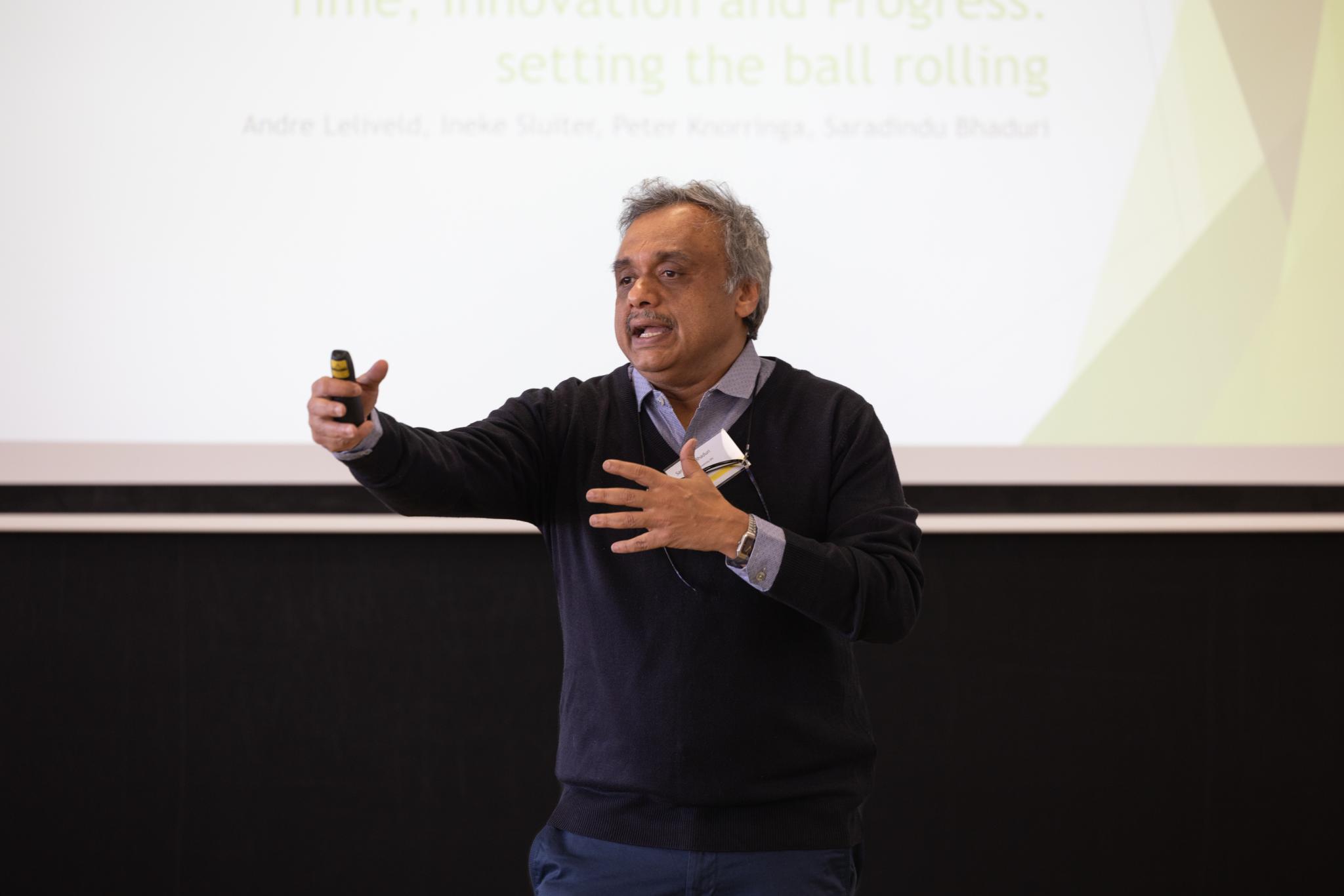
Saradindu: "The workshop is an excellent example of how academic events spark welcome unintended consequences! It all started as a friendly chat between André Leliveld, Ineke Sluiter and myself to take stock of an inspiring session during the course on Frugal Innovation Minor at Leiden University in September 2024."
"A guiding set of discussion points was:
- how do we develop an analytical framework to study the massive diversity we observe in innovation practices, process and goals across communities today
- What are the analytical tools we have to understand innovation practices in indigenous communities, in societies in the classical period, across continents?
- How do we advance the scholarships on Frugal Innovations and Anchoring Innovation further?"
Saradindu continues: "it was quickly realized that the societies we are interested in may have been driven by very heterogenous ideas of progress; an uneasy relationship between the moral and the material sides of it; the multiple (non-linear) relationship between the past, present and the future."
Are the ideas embodied in ‘The Eternal Return’, the ‘Golden Age’ compatible with the principles of ‘planned obsolescence’-the hallmark of modern innovation practices?
"The next half year was all about having frequent online conversations; back-to-back meetings with the Lorentz Centre, the submission of the proposal; the patient waiting; and the Eureka moment! The conference was a fantastic end of this phase, and the beginning of a new phase of a shared journey of exploring the future of innovation!"
What made this workshop different from a typical academic event?
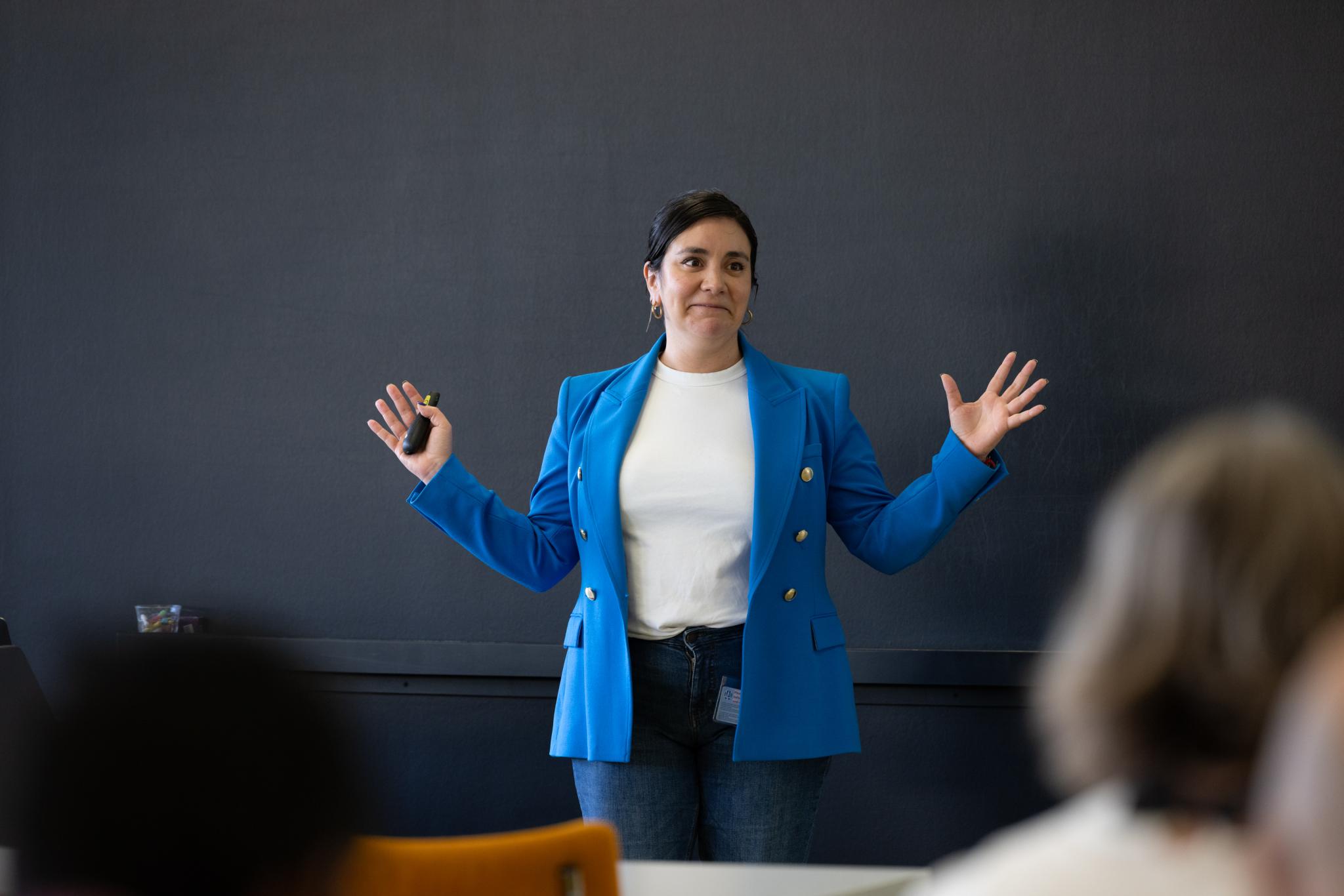
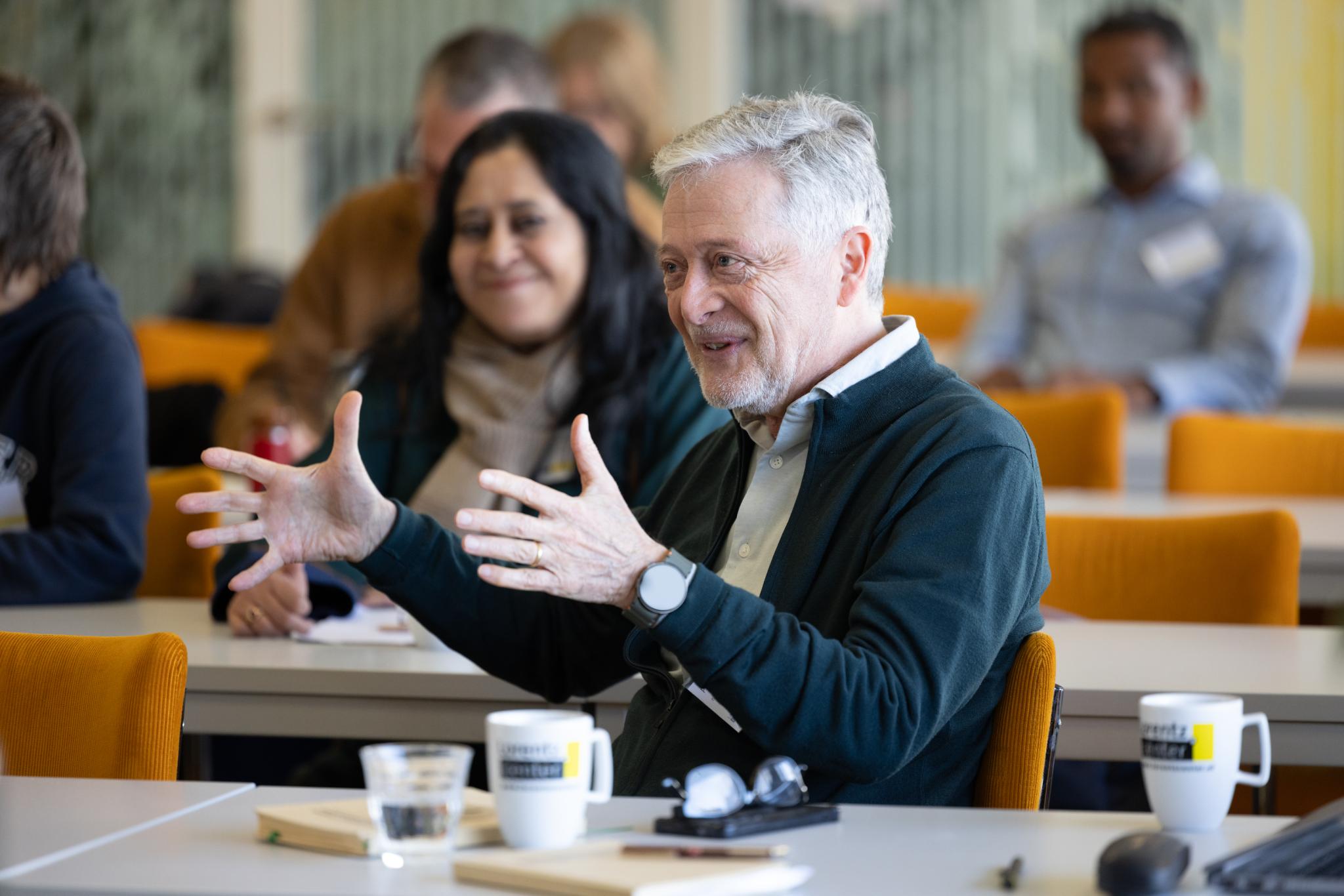
Peter: "The Time Innovation Progress workshop at the Lorentz Centre in Leiden was an exceptional experience. With Betty (ed: Huerta) setting the pace and the interaction patterns, and all the participants joining with constructive energy, it was truly enriching. Bringing together academics from development studies and from sociology, engineering and economics on one side, and researchers from archeology and classical studies on the other, proved a very fertile mix. The challenge now is to take it further."
What has emerged since the workshop?
Peter: "Several groups and new one-on-one collaborations are starting up. We have for example a group that will focus on ‘Rhythms of Innovation’ and a group that will focus on the relevance of ‘Waiting’ as one way to operationalize research on the Time-Innovation-Progress nexus. Other smaller initiatives that we are aware of involve for example using the plough as a case study to investigate TIP in agricultural settings across time and space. Moreover, we know that several people are busy writing blogs with people they met for the first time at the TIP workshop."
What comes next?
Peter: "A final initiative to mention is Passing Perspectives, an audio-relay that offers a different way of continuing the conversation beyond the workshop. Instead of producing formal reports, participants of the workshop take part in a simple chain: one participant asking a question and another participant aiming to provide an answer as well as raising a new question. We will start soon with the first group and then continue with other groups, allowing insights and reflections to travel across the network while keeping the discussion active."
"We will be in touch soon with more details on this and other initiatives. Thanks again to all participants, as organizers we really enjoyed it!"
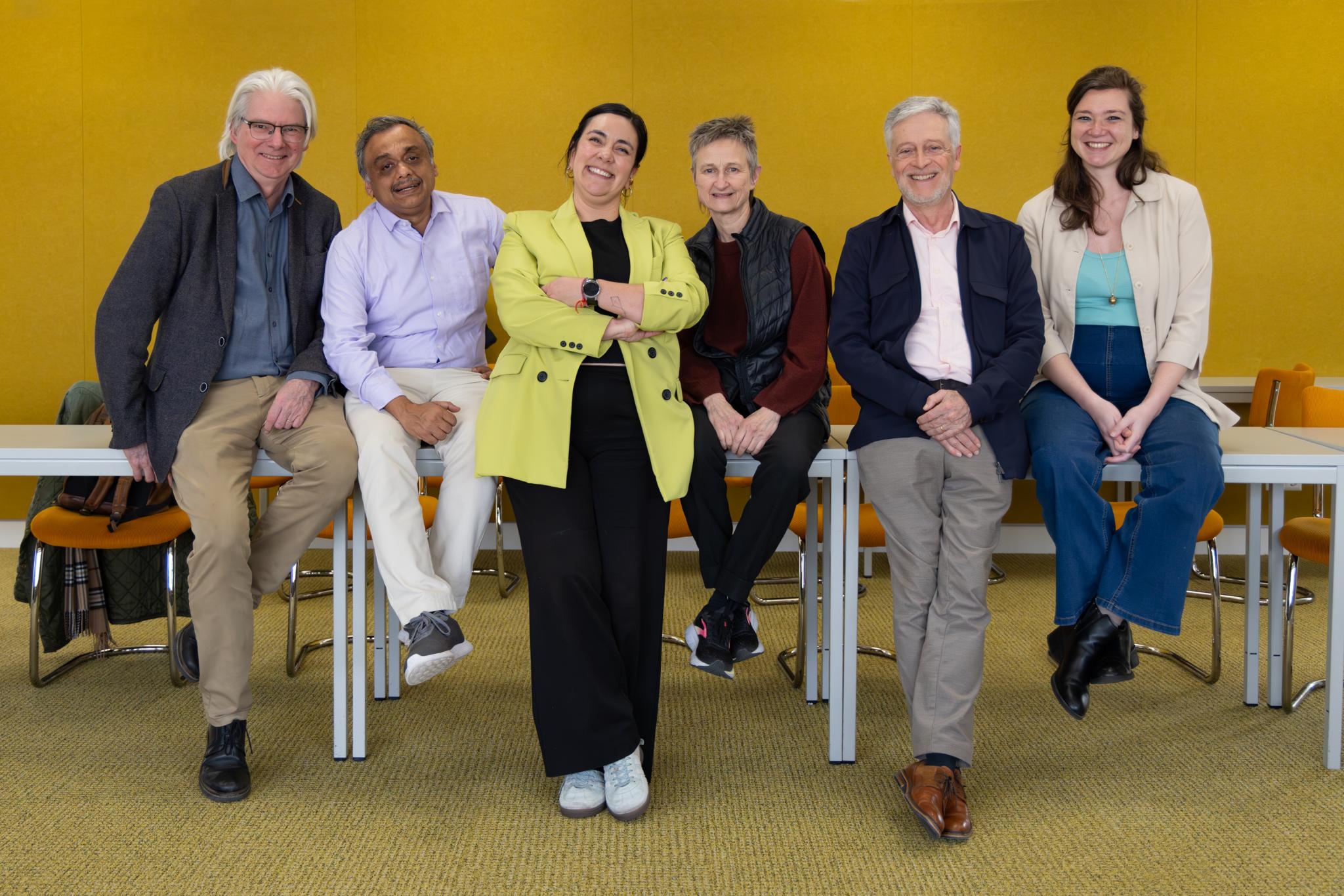
André Leliveld, Saradindu Bhaduri, Betty Huerta, Ineke Sluiter, Peter Knorringa, Jasmin Hofman