



Blog domain: Housing and Construction
Over eight weeks, VOICE brought together master students and practitioners from across the Global North and South to explore frugal and bottom-up innovation. Participants worked in mixed international teams, often spanning multiple time zones and very different local realities, and each team focused on one domain: agriculture, digitization, health, housing and construction, or safety and security.
Each week, teams practised flash ethnography, gathering local perspectives through conversations in their own environment, and brought those findings into the group. That mix of disciplines, experience levels and contexts was not incidental: comparing perspectives, and sometimes reconciling real disagreement, was where the programme's value showed up most clearly.
Alongside weekly sessions with academics and practitioners from the programme's partner institutions, participants learned a skill many academics rarely practise: writing for a wider audience. Academic training tends to emphasise rigour and procedure; blog writing asks something different, getting an idea across quickly, clearly, and in your own voice. The blogs below are the result: grounded in local conversations, sharpened by comparison across contexts, and shaped through weeks of collaborative writing.
“Frugality is not about doing less; it is about doing better with what matters most.”
The House That Welcomed Everyone: A Frugal Story of Inclusion
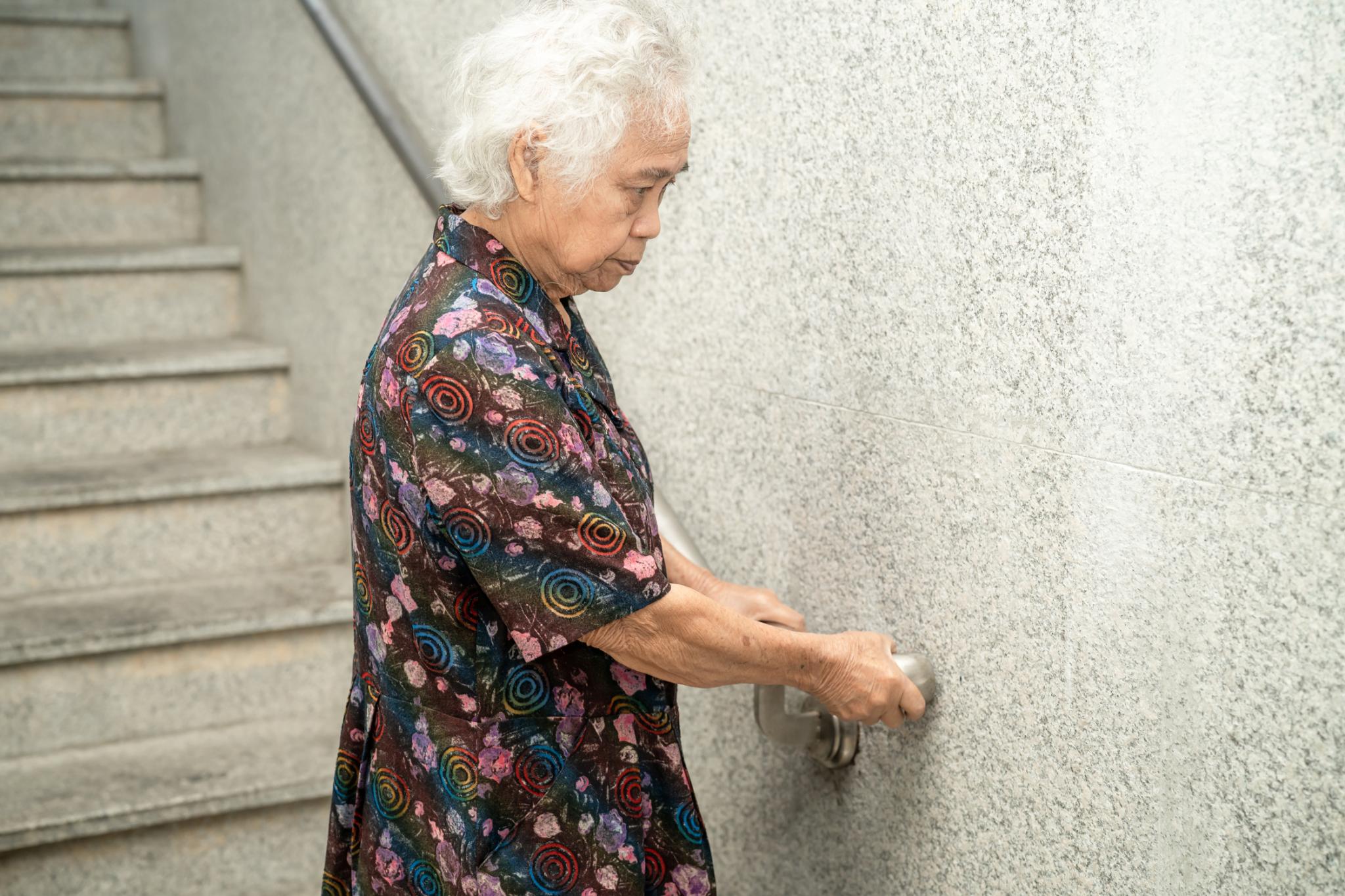
At the edge of a crowded settlement, an old woman climbs a narrow step every morning with tired hands and silent hope, while nearby a man using a wheelchair waits outside because the doorway is too tight, and a family that can barely afford rent dreams of a home that will not collapse with the next storm. This is where frugal innovation in housing begins: not with luxury, but with listening. It asks how a house can become a refuge for the marginalized, a safe aging space for the elderly, a barrier-free home for persons with disabilities, and a place of dignity for women growing old alone. Through simple, smart, and thoughtful design—wider entrances, low-cost local materials, flexible rooms, good light, and community-based planning—construction can do more than shelter bodies; it can restore belonging. In an inclusive world, the best homes are not the grandest ones, but the ones that quietly say, “You are welcome here.”
Opening Scene: A Resource-Limited World
Imagine a world where hospitals need life-saving tools, schools need digital access, and communities need clean energy—yet money, materials, and infrastructure are limited. This is the reality for billions of people. Frugal innovation begins here: not with abundance, but with need.
Globally, the demand for affordable, sustainable, and scalable solutions is rising fast. From healthcare systems under pressure to energy systems facing climate stress, the world needs innovation that is practical, efficient, and inclusive. Frugal innovation answers this call by creating useful solutions with fewer resources, lower cost, and simpler design—without losing quality where it matters.
What Frugal Innovation Really Means
Let me put it simply: frugal innovation is the art of solving big problems with smart simplicity.
It does not mean cheap in a careless way. It means thoughtful design, focused features, and wise use of materials, time, and effort. Instead of building something complicated and expensive, frugal innovation asks: What is the core need? What can be removed? What can be reused? What can be made accessible to more people?
This way of thinking matters especially in sectors like healthcare and energy, where delays and high costs can cost lives and limit opportunity. In such critical sectors, frugality is not a compromise—it is often a necessity.
Different regions, Different Faces
A Chinese proverb says:
“When the winds of change blow, some people build walls and others build windmills.”
Frugal innovation looks different across the world.
In Colombia, many families still live in homes that are unsafe, crowded, or lack basic services like water and plumbing. The government has started changing its housing strategy: instead of focusing mainly on building new houses, it is now helping people improve the homes and neighbourhoods they already have. This includes fixing structures, improving public spaces, supporting migrant families, and involving communities in the process. Over time, the goal is to make housing safer, more resilient to climate change, and better connected to services so that more people can live with dignity and security.
In the Global South, it often grows from scarcity and urgent everyday challenges. A low-cost medical device, solar-powered lighting for off-grid villages, or affordable water purification can change lives because the need is immediate and the budget is tight. Here, frugality is closely linked to access, survival, and inclusion.
In the Global North, frugality may appear in a different form. It is often connected to sustainability, cost control, and reducing waste. A hospital may adopt streamlined diagnostic systems to cut unnecessary spending. An energy company may redesign services to use less material and produce lower emissions. Here, frugality is tied more to efficiency, accountability, and resilience.
So, whether in the South or the North, frugal innovation reflects one shared truth: a resource-limited world needs smarter choices, not just bigger investments.
Healthcare and Energy
Think about healthcare first. A frugal innovation in healthcare might be a portable, affordable diagnostic tool that brings testing closer to rural communities. It may not have every advanced feature, but it can deliver reliable results, quickly and at a lower cost. That means earlier detection, faster treatment, and better public health.

Now think about energy. Frugal innovation in energy can mean decentralized solar solutions, low-cost storage systems, or efficient lighting that works in places where large systems fail to reach. These solutions matter because energy is not just about power—it is about education, livelihoods, safety, and dignity.
In both sectors, the goal is the same: achieve maximum social value with minimum waste.
Grassroots Design and Bottom of Pyramid
Frugal innovation often grows from the grassroots. This means listening to people at the community level, observing how they live, and designing with them rather than for them. Grassroots design values local knowledge, local materials, and local realities.
This is where the bottom of the pyramid perspective becomes important. The bottom of the pyramid refers to the large number of people with very limited purchasing power. They are often ignored by mainstream markets, yet they represent enormous human potential. When innovation is designed for them, it should be affordable, durable, and easy to use.
Grassroots design and bottom-of-pyramid thinking remind us that innovation should not only serve the wealthy or the urban elite. It should reach the people who need it most.
From Idea to Business
A frugal idea becomes powerful when it becomes a successful business model. But success here should not mean profit alone. It should mean a model that is sustainable, inclusive, and socially responsible.
A strong frugal business model may use local partnerships, low-cost distribution, pay-per-use services, or community-based delivery. It may create jobs, support local entrepreneurs, and keep products within reach of low-income users. This is how frugal innovation can move from a clever idea to a lasting system of change.
The real achievement is not just making something affordable. It is making it available, useful, and trusted in everyday life.
Closing Reflection
Frugal innovation teaches us that progress does not always come from more. Sometimes it comes from less—less waste, less complexity, less exclusion.
In a world facing rising inequality, climate pressure, and resource scarcity, frugal innovation offers a balanced path. It helps us grow without excess, create impact without waste, and stay accountable to people and planet. That is why frugal innovation matters: because the future will belong not to those who spend the most, but to those who design the smartest.
Participant Bios
 Ms. Krishna Kalita:
Dedicated rehabilitation professional with experience in assessment, intervention planning, client-centred care, and interdisciplinary collaboration. Skilled in supporting individuals with disabilities, promoting functional independence, and using evidence-based rehabilitation approaches.
 Mr. Hrishikesh Bhattacharyya:
Research Scholar at IIT Guwahati with professional experience in research, production management, product development and marketing. Worked across manufacturing and sustainable technology sectors, contributing process optimization, R&D and industry-academia collaborations. Presently working on development of sustainable materials for providing circular economy solutions.