


What if one of the most effective solutions to a complex environmental problem doesn’t come from high-tech innovation, but from nature itself? In this blog, TU Delft student Sondre Wik explores how a simple, locally developed idea in Kenya uses bees to keep elephants away from farmland. Through this case, he reflects on the broader potential and limitations of frugal innovation in addressing real-world challenges.
Sondre Wik is a student of Applied Earth Sciences at TU Delft. Alongside his scientific studies, he is pursuing a path in filmmaking and is currently applying to the Netherlands Film Academy in Amsterdam. For the fieldwork assignment of the minor, he and his co-students also created a short documentary, which is featured above. Driven by a strong interest in storytelling, Sondre aims to create documentary narratives that foster greater empathy and understanding for animals, people, and the planet.
We live in a world in which it seems that all difficult problems require highly technological and expensive solutions. Can you think of a recent meaningful innovation which is not made with help of computers, but rather relying on traditional knowledge? This is the story of how creative and impactful ideas can arise from places with resource constraints and lack of higher education.
Innovation Where It’s Needed Most
The Importance of Frugal Innovation
Innovation is often associated with wealth, laboratories and advanced technology. According to Wikipedia, it is “the practical implementation of ideas that result in the introduction of new goods or services or improvement in offering goods or services.” Yet, it’s often the communities with the fewest resources that need innovation the most. People living in rural or low-income areas face urgent challenges, from access to clean water and healthcare to protecting their crops and livelihoods. Ironically, these problems attract less attention and investment, because their solutions are not “flashy” enough to excite investors or media headlines.
Frugal innovation is about doing more with less: creating inclusive, affordable, and sustainable solutions that serve low-income communities. Many of these ideas arise directly from people at the Bottom of the Pyramid (BoP), driven by necessity and creativity. However, individuals and organizations outside these communities are increasingly developing frugal innovations to support those who face resource constraints. The importance of frugal innovations lies in the fact it makes development more inclusive as it reaches communities that are often overlooked by traditional innovation.
Human–Wildlife Conflicts in Africa
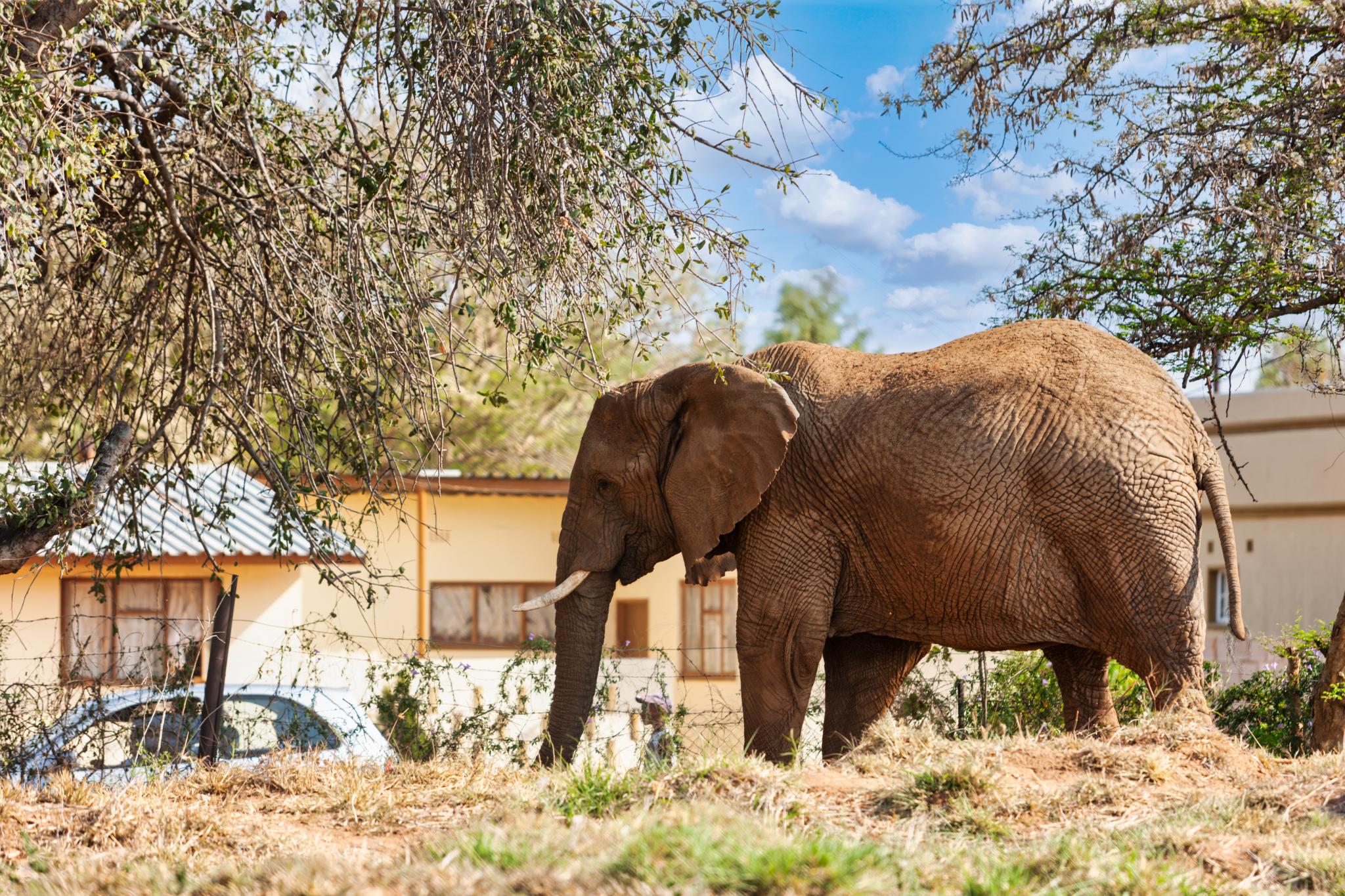
Frugal innovations are often related to healthcare or sustainable energy, but they can also be found in environmental conservation. In countries such as Kenya, Tanzania and India, rural communities live close to wildlife habitats. As populations grow, more land area is occupied for people to live on decreasing the space for animals. This leads to a rise in the number of predators attacking humans which is a severe problem. At the same time farmland expands and elephants increasingly wander into agricultural areas. These creatures with immense appetites can destroy fields overnight. For small-scale farmers, such crop raids are devastating as they threaten their main source of food and income.
The growing number of conflicts between humans and elephants has forced local communities to search for new solutions. Traditional barriers such as electric fences and reinforced walls are expensive and difficult to maintain. In some cases drones have been used to scare elephants away, but these devices are far from affordable for most farmers. This search for a more accessible alternative led to a simple and brilliant idea that originated in Kenya: beehive fences.
A Buzzing Solution
A Frugal and Natural Innovation
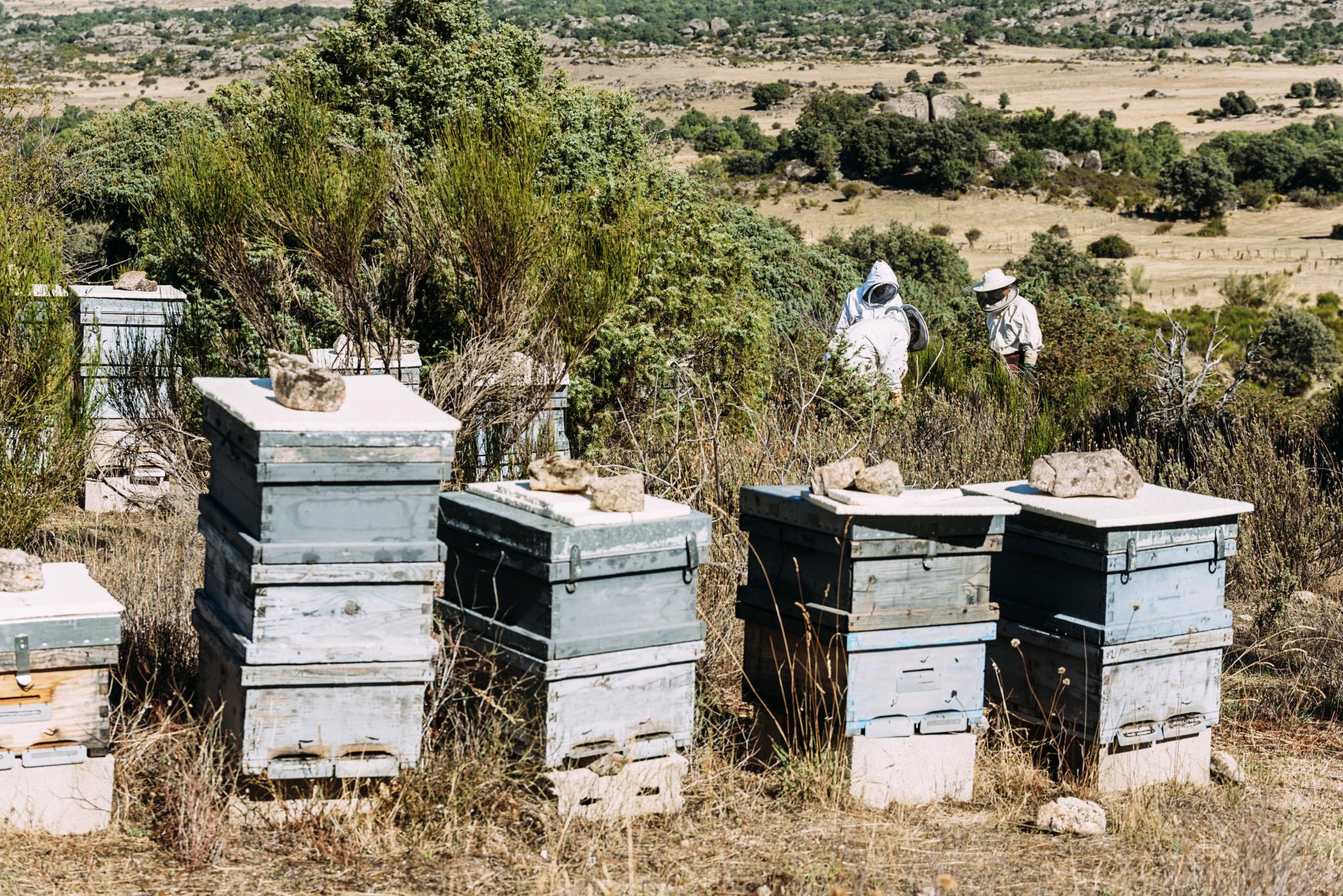
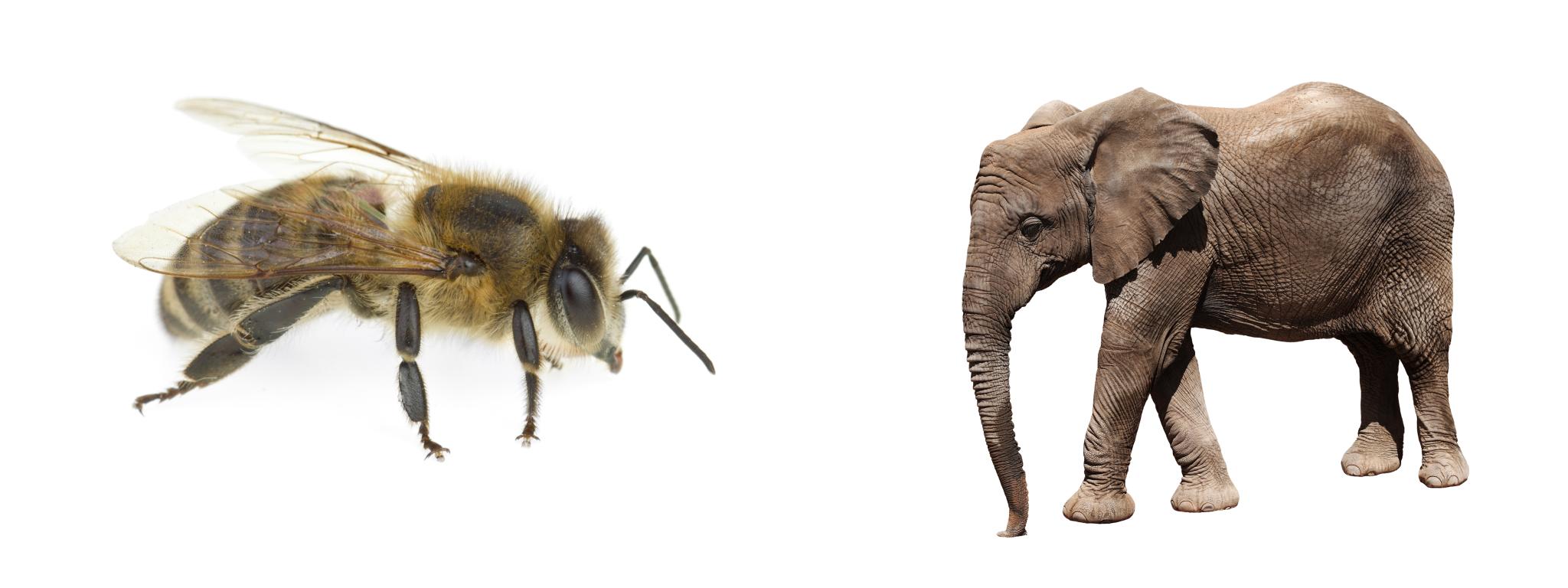
African farmers observed that elephants are naturally afraid of bees. A sting to the sensitive areas around their eyes and trunks is extremely painful and elephants remember these experiences very strongly. This behaviour is the source of inspiration for the idea of the beehive fences. It is constructed as a line of beehives suspended between wooden posts and wires surrounding the farmland. When elephants attempt to cross, the wires shake and trigger the hives. This is followed by the release of buzzing bees which drive the elephants away.
Unlike electric fences, beehive fences are low-cost, easy to build and environmentally friendly. Furthermore, they do not require electricity or imported materials. Maintenance is relatively simple and does not require any technical knowledge or equipment. Farmers can create them using local wood, wires and hives made from recycled materials. In addition to keeping elephants away, the hives produce honey which can be sold as an extra source of income. Another benefit is that the bees improve pollination, increasing crop yields.
Research has shown that this simple idea is highly effective. A long-term study by Save the Elephants found that beehive fences reduced elephant crop raids by up to 86.3% during peak farming seasons (King et al., 2024). In other words, nearly nine out of ten elephants that approached a farm surrounded by beehive fences decided to turn away. For local farmers, this meant not only safer harvests but also more peaceful coexistence with wildlife.
Is This Really Sustainable?
Even though beehive fences are an inspiring example of how simple ideas can solve complex problems, they are not without limitations. Their success heavily depends on the presence and health of local bee populations. Unfortunately, bees are under threat due to climate change, pesticide use and habitat loss. When bees disappear, the fences will lose their power. This raises doubts about how sustainable the innovation truly is in the long term. It also shows that even the simplest natural solutions rely on fragile and delicate ecological systems.
At the same time, beehive fences illustrate a form of environmental justice. The threat of crop-raiding is greatest for small-scale farmers who often have the least resources to protect their land. Wealthier landowners can afford electric fences or employ rangers. On the other hand, poorer communities must depend on more affordable alternatives. Beehive fences are inclusive because they can be built with local materials and maintained without technical knowledge. This makes the solution not only ecological, but also socially fair.
However, it is important to recognise that beehive fences can also be seen as a stop-gap solution. This means that they reduce conflict in the short term, but they do not solve the deeper issue. The shrinking of elephant habitats caused by farmland expansion and deforestation does continue. Governments and conservation organisations may rely too heavily on frugal innovations like beehive fences. This has a negative impact as tackling of the real causes of human–wildlife conflict will be postponed. True sustainability will require more than creative local solutions.
A Never-Ending Story
Beehive fences show that innovation does not always require advanced technology. Sometimes, the most effective solutions arise from observing nature and applying traditional knowledge. This frugal innovation has proven that coexistence between humans and wildlife is possible in a simple and natural way.
However, whether this frugal innovation is a sustainable solution that captures the essence of the problem is still questionable. Will bee populations remain healthy? Can policymakers find a way to make a deeper change rather than being content with a temporary fix? Protecting bees, supporting farmers and addressing elephant habitat loss must go hand in hand. In the end, the story of bees versus elephants is one that is far from over; its future depends on choices made now about how we value coexistence between humans and nature.
Written by Sondre Wik, student at the TU Delft

A close-up of a bee taken by the author